Reframing Accessibility in our OutdoorTown
Written by: Alexis Turner
For many people, particularly those with disabilities, long-term health conditions or mobility challenges, being physically active is not simply a matter of motivation. Access to spaces, places and opportunities can be the greatest barrier.
Through Burnley’s OutdoorTown vision, we are working to make the choice to be active easy, attractive and enjoyable for everyone. Central to this work is a growing understanding that accessibility must be shaped by lived experience. Programmes such as Beat the Street, Limitless Cycling, and our wider ambition for a Limitless Town are helping to change not just what we deliver, but how we listen, learn and evolve.
Beat the Street: Learning from Lived Experience
Accessibility is not just about ramps or wide paths; it is about how people actually experience public spaces. What looks accessible on a plan does not always translate to reality on the ground. This is where lived experience is essential.
Accessibility advocate Shelley Robinson shared her experience of taking part in Beat the Street alongside her daughter, a wheelchair user, and her mother, an active older adult. Beat the Street transforms neighbourhoods into interactive playgrounds for walking, running or rolling, encouraging people to move through their communities in fun and informal ways.
While the concept is simple, Shelley’s experience highlighted important realities:
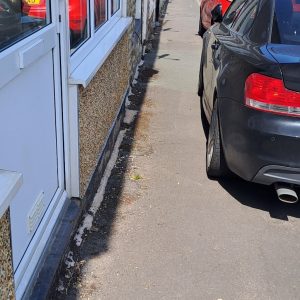
“We started at Beat Box number one and set off walking from there. The first few boxes were fairly easy to reach, but along the way we encountered dropped kerbs that didn’t align with the pavement, parked cars blocking access, and confusing signage. Even though the route was technically ‘accessible’, it required extra effort and planning to navigate safely.”
This experience reinforced a crucial lesson: accessibility is not a checklist, it is a lived reality. Small barriers such as uneven kerbs, blocked pavements or unclear information can be the difference between full participation and exclusion.
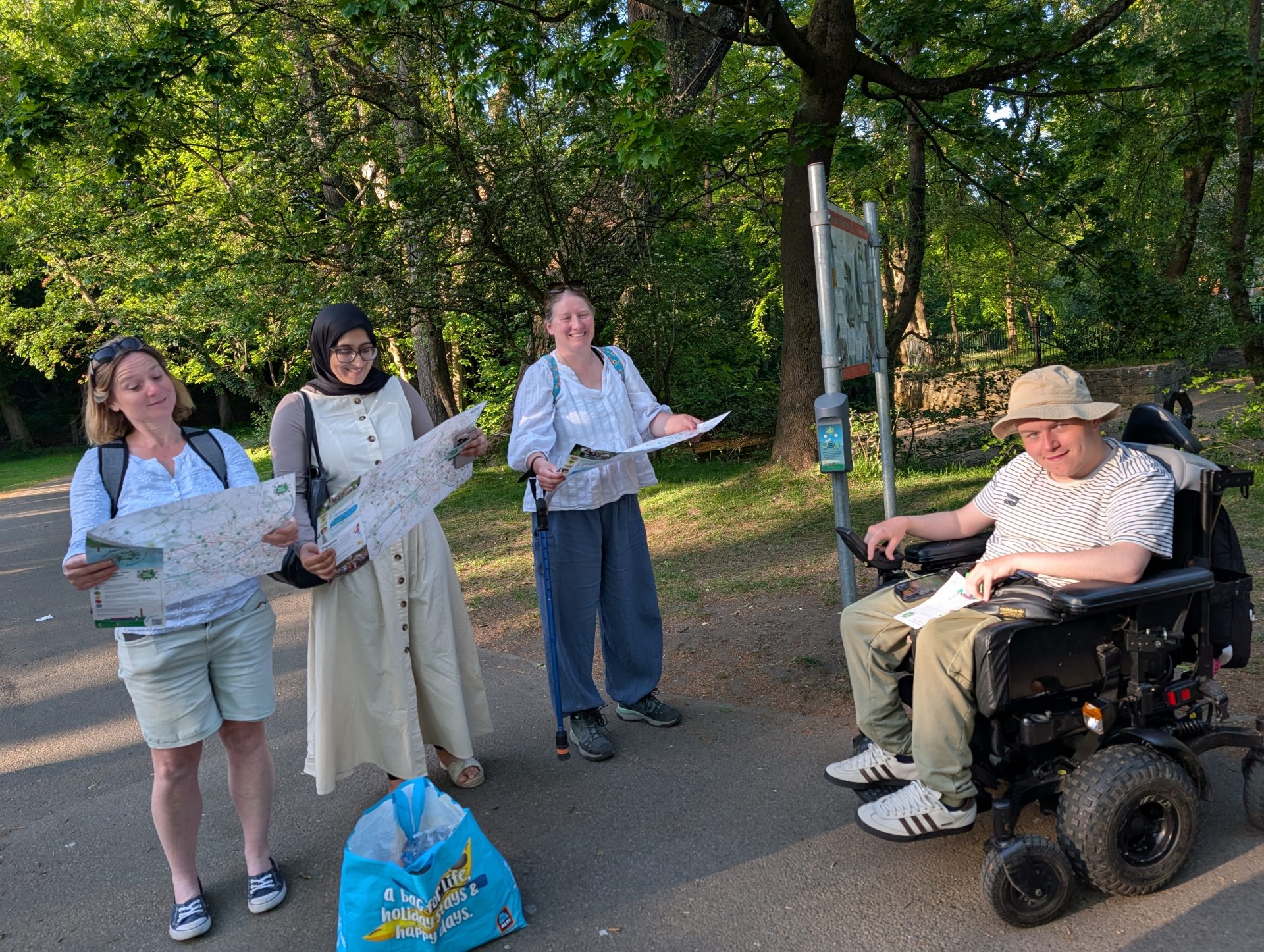
In addition, a group of accessibility advocates met in Thompson Park to share honest feedback on Beat the Street. Conversations focused on gradients and inclines, availability of benches for rest, proximity of accessible and Changing Places toilets, and the importance of clear, upfront information. While we cannot change every physical feature of the landscape, we can change the quality of information people receive, helping them make informed and confident choices about whether and how to take part.
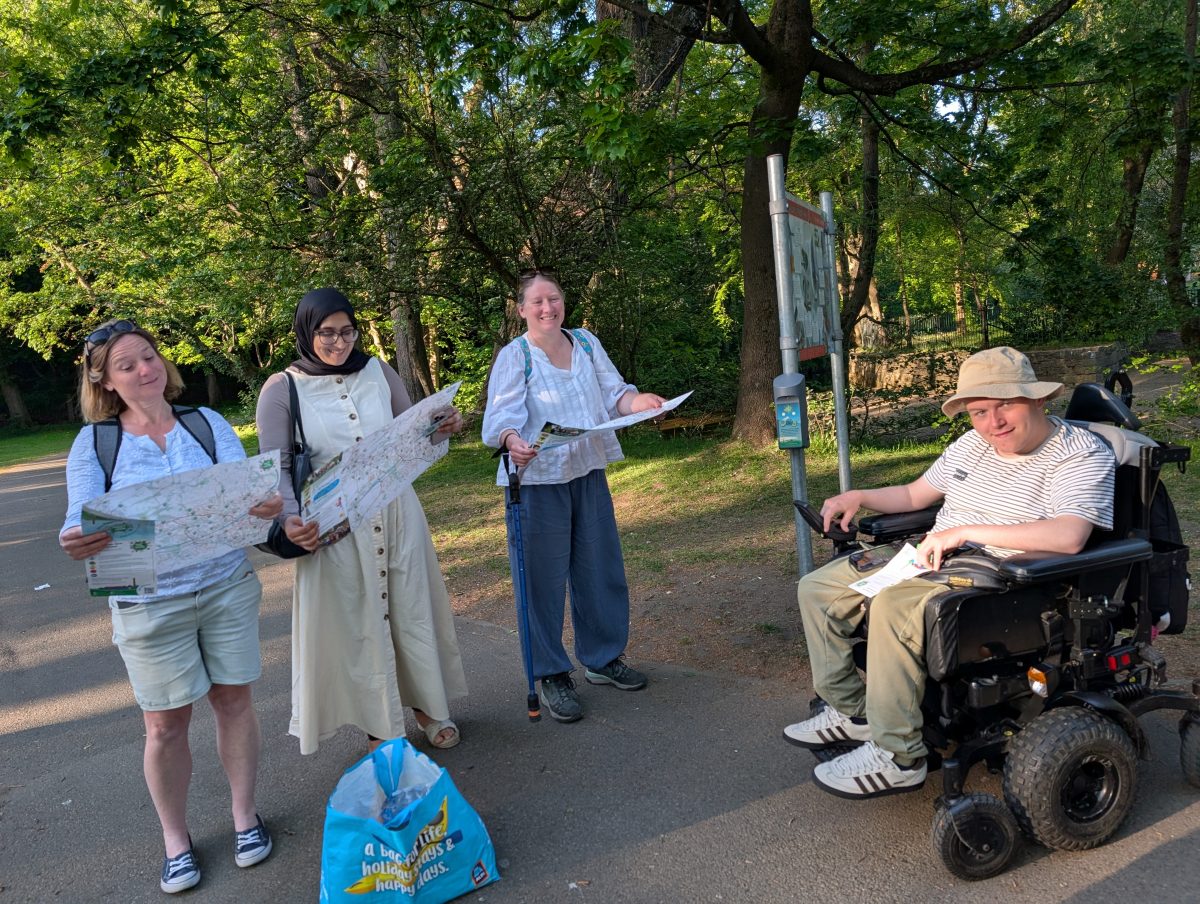
As Joe, one of the advocates noted, for disabled people activity often requires much more planning:
“Your mind is constantly filled with questions, what’s the terrain like? Is there disabled parking? Is there an accessible toilet? Those questions alone can put you off before you even begin.”
This insight has not only shaped Beat the Street but has directly influenced our approach to Limitless Cycling programme too.
Limitless Cycling: Shaped by Advocacy
Burnley is championing a more inclusive way to get around on wheels through the British Cycling Limitless Cycling programme, a project several years in the making. Led by Burnley Leisure and Culture (BLC), Burnley Council, and Burnley West Primary Care Network, the programme has been carefully developed through close collaboration with accessibility advocates, local communities, and partner organisations to ensure it truly meets the needs of local people in the right places.
Delivered in partnership with national and local organisations, the initiative is strengthened by a shared commitment to the OutdoorTown vision. A key influence throughout has been accessibility advocate Joe Skinner, whose lived experience has guided decisions around location, infrastructure, communication, and delivery. This people first approach ensures the programme removes barriers rather than unintentionally creating new ones.
At the heart of Limitless Cycling is confidence-building. Inclusive sessions offer adapted bikes and hand-cycles in supportive environments, making cycling accessible to everyone, regardless of age, ability, confidence, or background.
Work is also being explored with the Canal and River Trust to enhance canal infrastructure, with improvements planned for access points, clearer directional signage, and more detailed information on route suitability and distances. These developments will enable riders of all abilities including those using adapted bikes and hand-cycles to plan their journeys with confidence and enjoy safe, inclusive access to waterways and cycling networks.

The Importance of Advocates – and Moving Forward
Advocates like Shelley Robinson and Joe Skinner, alongside a partnership approach demonstrate the value of a joined up, place-based approach to accessibility and inclusion.
They remind us that accessibility must be tested in the real world. Even with thoughtful design and strong intentions, everyday obstacles persist cars parked on pavements, blocked drop kerbs, or unclear information. These lived experiences are vital in shaping solutions that are practical, inclusive, and genuinely effective.
As Shelley reflected:
These challenges highlight that accessibility is not just about infrastructure; it is about awareness, behaviour and shared responsibility. Creating inclusive environments requires collaboration between planners, programme leads, communities and individuals.
As Burnley continues to expand its physical activity offer, accessibility must be embedded at every stage, from design and planning to delivery and evaluation. Listening to advocates and being willing to adapt is not optional; it is essential. The goal is simple but powerful: to ensure everyone can enjoy being active in our wonderful OutdoorTown, safely and confidently, without limits.